

Did you know 61% of homeowners facing foreclosure think they have a good legal defense? This shows that losing your home isn’t always set in stone. Knowing how to fight foreclosure can save your home and help you financially recover.
Dealing with a foreclosure lawsuit can be tough. But, homeowners with the right knowledge have many ways to fight back. The legal fight against foreclosure is complex. It has many options that can stop or slow down the process. Quick action and smart planning are key.
To win a foreclosure lawsuit, you need a solid plan. You must know your rights, collect important documents, and look at legal defenses. Having a lawyer can greatly boost your chances of winning, raising success rates by up to 30%.
Key Takeaways
- 61% of homeowners have possible defenses in foreclosure cases
- Responding to foreclosure lawsuits within 20 days boosts success rates
- Legal help can greatly improve your defense chances
- Learn about your state’s foreclosure laws and steps
- Collect all the documents you need to support your case
- Look into options like loan changes and mediation
- Act fast to protect your legal rights
Understanding Foreclosure Laws in Your State
Understanding property foreclosure laws is key. Each state has its own rules. These rules can change how foreclosure works, affecting homeowners’ rights and options.
Foreclosure laws differ a lot between states. There are two main types: judicial and non-judicial foreclosures. Knowing these can help homeowners defend their homes better.
Different Types of Foreclosure Processes
- Judicial Foreclosure: Needs court help and lets homeowners speak to a judge
- Non-Judicial Foreclosure: Lenders can hold a public auction without court help
Key Legal Terms to Understand
| Legal Term | Definition |
|---|---|
| Notice of Default | Official warning that the borrower has missed multiple mortgage payments |
| Right of Redemption | Legal period allowing homeowners to reclaim their property by paying outstanding debt |
| Deficiency Judgment | Court ruling allowing lenders to collect remaining mortgage balance after property sale |
Importance of State-Specific Laws
Homeowners facing foreclosure need to know state laws. Laws can be very different. About 40-50% of foreclosure cases get dismissed, showing the need for local law knowledge.
Most homeowners (around 80%) who fight foreclosure win with a lawyer’s help. Lawyers know the state laws well.
Identifying the Grounds for Defense
Facing a foreclosure lawsuit can feel scary. But knowing your defense options is key for protecting your home. Homeowners have many ways to fight mortgage disputes in court.
To defend against foreclosure, you need a smart plan. Homeowners can fight foreclosure in several ways:
- Challenging the lender’s legal right
- Finding mistakes in how the process was done
- Showing errors by the mortgage servicer
- Looking into any wrongs in the documents
Common Reasons to Challenge a Foreclosure
Mortgage disputes often come from big legal issues. Over 22 states need a judge to approve foreclosure. This gives homeowners more chances to fight back. Important reasons to challenge include:
- Not getting the right notice of default
- Breaking state foreclosure rules
- Having wrong loan documents
- Questions about who really owns the loan
Gathering Evidence to Support Your Case
Building a strong defense needs careful planning. Gather all important financial papers, like:
- Every payment you’ve made on your mortgage
- Records of talks with your lender
- Documents from when you got your loan
- Bank statements showing you tried to pay
Remember, winning a foreclosure case often means finding legal mistakes. Talking to a foreclosure defense lawyer can help. They can guide you through the legal mess and might save your home.
Exploring Options Before a Lawsuit
Facing a home foreclosure can feel scary. But, homeowners have many ways to stop a legal foreclosure. Knowing these options can save your home and money.
When you can’t pay your mortgage, acting fast is key. A foreclosure attorney can help you find ways to avoid legal trouble.
Loan Modification Possibilities
Loan modifications can be a big help if you’re struggling with mortgage payments. They can change your loan to make it easier to pay:
- Reduced monthly payment amounts
- Lower interest rates
- Extended loan terms
- Partial principal forgiveness
To get a loan modification, you need to show you’re facing financial hardship. You’ll need to provide detailed info about your income, expenses, and tough times.
Short Sale Negotiations
A short sale is another good option if you’re facing foreclosure. It lets you sell your home for less than what you owe, with the lender’s okay.
Short sales have big benefits:
- They can help your credit score less
- They avoid full foreclosure
- They might forgive some debt
- They help you get back on your feet faster
Choosing between these options needs careful thought. You might need a foreclosure attorney who knows the law well.
The Role of a Foreclosure Defense Attorney
Dealing with mortgage problems needs special legal help. Foreclosure defense attorneys help homeowners keep their homes. They are very important.
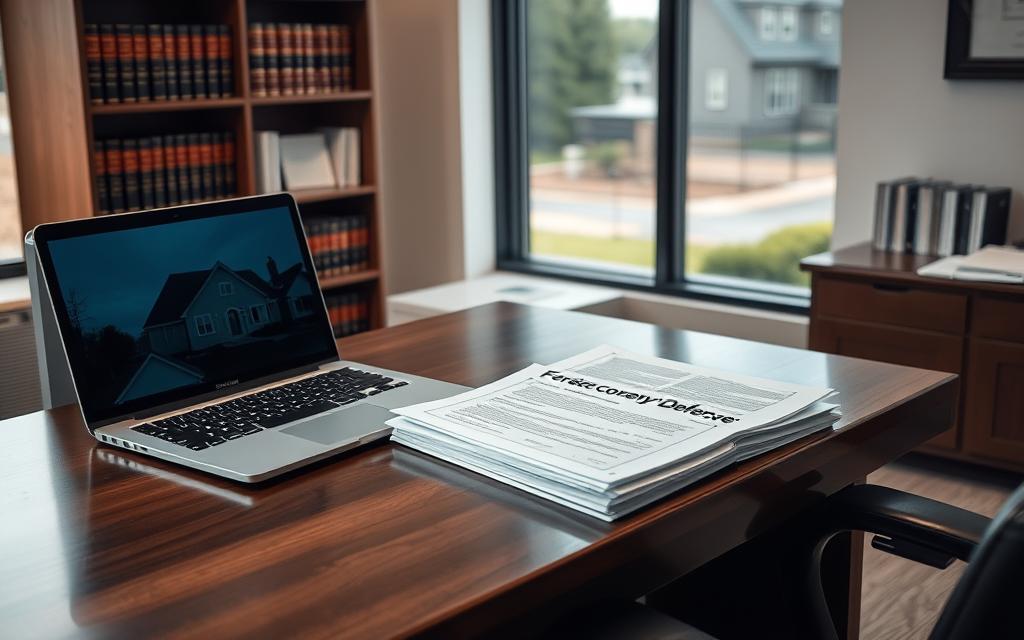
When you might lose your home, getting a good lawyer helps a lot. They know a lot about real estate law. They can make plans to save your home.
Selecting the Right Legal Representation
Finding the right lawyer is important. Look for someone with:
- lots of experience in foreclosure defense
- knowledge of local foreclosure laws
- success in talking to mortgage companies
- history of saving homes from foreclosure
Critical Questions During Initial Consultations
Ask important questions when you first meet a lawyer:
- What experience do you have with foreclosure defense?
- What plans do you have for my case?
- What do you charge?
- Do you know the local courts well?
The Washington Foreclosure Fairness Program helps too. Lawyers who know this program can give you great help.
Getting a good lawyer can save your home. It also gives you peace of mind when things are tough.
Filing a Response to the Foreclosure Complaint
Getting a foreclosure complaint can feel scary. But knowing how to respond is key to keeping your home. Getting legal help is very important in this tough time.
When you get a foreclosure notice, you must act fast. The first steps you take can help you fight back and find other ways to solve the problem.
Importance of Meeting Deadlines
Acting quickly is very important in a foreclosure case. Most places give you a certain time to answer the complaint:
- Typical response window: 20-30 days from receiving the notice
- Not answering on time can lead to losing your case
- You might get more time with the right legal papers
Structuring Your Legal Response
Your answer should clearly tackle each point in the complaint. Think about these important parts:
- Read the complaint carefully
- Write a detailed written answer
- Say yes or no to each claim
- Point out any strong defenses
| Response Component | Key Considerations |
|---|---|
| Admissions/Denials | Answer each part of the complaint carefully |
| Affirmative Defenses | Point out why the foreclosure shouldn’t happen |
| Potential Counterclaims | Find any wrongs done by the lender |
Getting help from a foreclosure lawyer is very helpful. They can help you write a strong response. This can protect your rights and find other ways to solve the problem.
Utilizing Judicial vs. Non-Judicial Foreclosure
Understanding housing law is key. Knowing the difference between judicial and non-judicial foreclosure is important. It helps you fight foreclosure better.
Key Differences in Foreclosure Processes
There are two main ways to stop foreclosure. Each has its own legal rules:
- Judicial Foreclosure: Needs a court lawsuit
- Non-Judicial Foreclosure: Lenders can act without court help
Comparative Foreclosure Characteristics
| Characteristic | Judicial Foreclosure | Non-Judicial Foreclosure |
|---|---|---|
| Process Duration | 1 year or more | 1-2 months |
| Legal Complexity | High court involvement | Minimal court interaction |
| Homeowner Defense Options | Many legal challenges | Few defense options at first |
Strategic Defense Considerations
Knowing your state’s foreclosure laws is vital. About 70% of U.S. states use non-judicial foreclosures. These are faster and simpler.
If you’re facing foreclosure, talk to a housing law expert. They can help you find the best defense. This way, you can protect your home better.
Discovery in Foreclosure Lawsuits
Going through a foreclosure lawsuit needs careful planning. Discovery is key. It lets homeowners get the facts and protect their rights.
The discovery phase is when both sides share important info. About 70% of cases settle here. It’s a big chance to stop foreclosure.
Understanding the Discovery Process
Discovery lets homeowners ask for key documents from lenders. It’s a way to find mistakes in loan papers.
Types of Evidence You Can Request
- Loan documents and original mortgage agreements
- Complete payment history
- Communication records between lender and borrower
- Internal bank processing documentation
Key Discovery Tools
| Discovery Method | Purpose | Success Rate |
|---|---|---|
| Interrogatories | Written questions requiring detailed responses | Reduces trial length by 25% |
| Depositions | Sworn testimony from involved parties | Used in over 60% of litigation cases |
| Requests for Admissions | Clarify points of agreement | Decreases trial preparation time by 30% |
Strategic discovery can find lender mistakes. This can help your defense.
Homeowners should be careful with discovery. About 80% of lawyers say to act early. This helps avoid problems later.
Building a Strong Defense Strategy
Creating a strong foreclosure defense needs careful planning and lots of paperwork. Homeowners facing foreclosure can fight back. They can do this by knowing their rights and challenging the lender’s claims in many ways.
Challenging the Lender’s Evidence
One key strategy is to doubt the lender’s right to foreclose. The produce the note defense is very important in fighting foreclosure. Lenders must show they have the right to start foreclosure with original documents.
- Ask for all loan documents
- Check the loan’s history
- Look for any document mistakes
Proving Financial Hardship
Showing you can’t pay is key in foreclosure defense. Details about income drops, medical bills, or sudden money problems can help find other solutions instead of foreclosure.
- Get proof of income drops
- Document any sudden money issues
- Write a detailed financial hardship letter
Homeowners need to collect important evidence, like:
| Document Type | Importance |
|---|---|
| Mortgage Agreement | Check the loan details |
| Income Statements | Show your money troubles |
| Payment Records | Show you’ve been paying on time |
By using many defense strategies, homeowners can better fight foreclosure. This helps protect their home and rights.
Mediation and Foreclosure Alternatives
Navigating a foreclosure lawsuit is tough for homeowners in financial trouble. Mediation is a key way to find other solutions that might save your home.
Mediation is a structured talk between homeowners and lenders. It’s a chance to find solutions before losing your home.
Benefits of Mediation
- Reduces emotional stress of losing your home
- Provides a neutral place for talks
- Allows direct talks with lender reps
- Potentially saves money on legal costs
Preparing for a Mediation Session
Getting ready for mediation is important. Homeowners need to collect important financial papers and plan their approach.
| Preparation Step | Required Documents |
|---|---|
| Financial Assessment | Income statements, tax returns |
| Hardship Explanation | Written detailed explanation of financial challenges |
| Proposed Solutions | Repayment plan, loan modification proposal |
Key alternatives during mediation may include loan modifications, repayment plans, or deed-in-lieu arrangements. Knowing these options can help a lot in talks and might save your home.
Understanding the Court Process
Going through a property foreclosure lawsuit can be tough. It’s important to know the court process if you’re facing a mortgage dispute. The foreclosure court system has many key stages that can change your case’s outcome.

When a foreclosure lawsuit starts, homeowners need to get ready for several important steps:
- Initial complaint filing by the lender
- Homeowner’s response to the lawsuit
- Discovery phase
- Potential summary judgment motion
- Trial or settlement negotiations
Steps Involved in Foreclosure Litigation
The litigation process has a clear path. Lenders must give formal notice and let homeowners respond. Most places give 20 to 30 days for homeowners to fight the lawsuit.
What to Expect at Trial
At a foreclosure trial, both sides show their evidence and arguments. The lender must show they have the right to foreclose. This can include mortgage documents and payment history.
| Litigation Stage | Key Considerations |
|---|---|
| Initial Filing | Lender submits formal complaint to court |
| Response Period | Homeowner has 20-30 days to respond |
| Summary Judgment | Potential motion to resolve case without full trial |
| Trial | Presentation of evidence and legal arguments |
It’s key to know about summary judgment motions. If the lender thinks you don’t have a strong defense, they might try to settle quickly. Being prepared and having legal help is very important.
Appealing a Foreclosure Judgment
Homeowners can challenge a foreclosure judgment by appealing. This is a key legal step to protect their property rights. Knowing how to appeal is very important.
Going through a foreclosure action needs a good plan and quick action. About 30-50% of appeals focus on technical issues. This shows how important a solid strategy is.
Grounds for an Appeal
A foreclosure lawyer can find reasons to appeal. These might include:
- Legal mistakes by the trial court
- Wrong evidence being used or not used
- The judge making a bad call
- Problems with how the foreclosure was done
The Appeal Process Explained
The appeal process has key steps:
- File an appeal notice on time
- Write a detailed brief for the appeal
- Make arguments in court
- Wait for the court’s decision
An appeal is not a new trial. It’s a check of the lower court’s actions. Only about 15% of appeals win. This shows the importance of a strong legal plan.
Homeowners should act fast and talk to a foreclosure lawyer. This can help a lot in getting a good result.
Dealing with Mortgage Servicer Issues
Home foreclosure can get tricky when mortgage servicers make mistakes. Knowing how to stop foreclosure starts with spotting and fixing these errors. These mistakes can hurt your financial health.
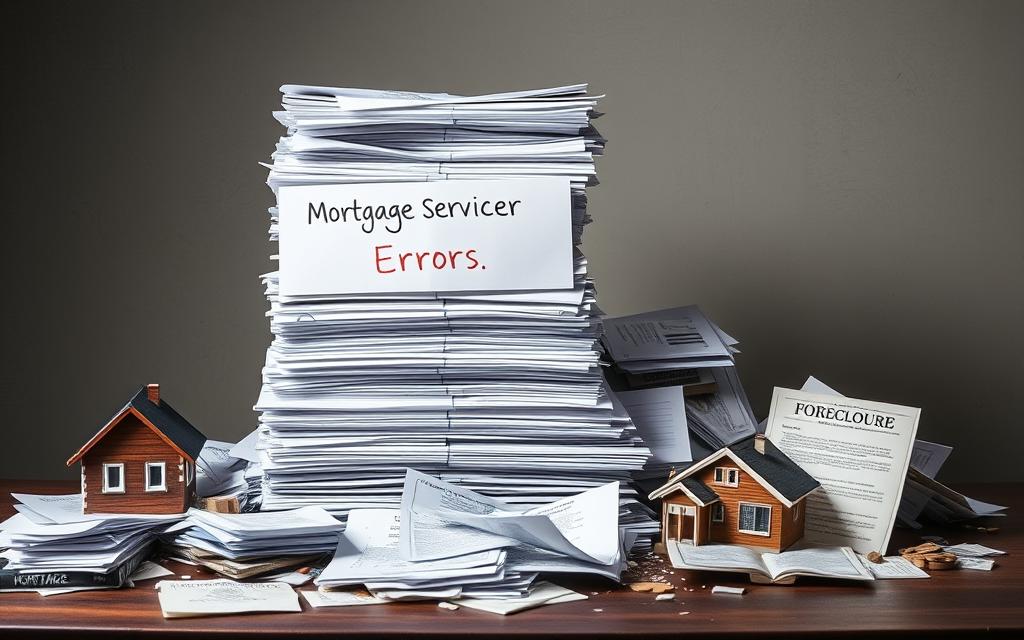
Mortgage delinquency often gets worse because of servicer mistakes. About 30% of complaints are about payment issues and wrong fees. These problems can raise your risk of losing your home.
Common Servicer Errors That Impact Your Case
- Misapplied payment credits
- Incorrect fee assessments
- Failure to provide required notices
- Improper escrow account management
Documenting Servicer Communications
It’s important to keep good records. Save all talks, payments, and letters with your mortgage servicer.
| Error Type | Potential Impact | Recommended Action |
|---|---|---|
| Payment Misapplication | Incorrect payment history | Request detailed payment records |
| Late Fee Errors | Unnecessary financial burden | Challenge unauthorized charges |
| Escrow Miscalculations | Increased monthly payments | Verify escrow account calculations |
Federal laws like the Real Estate Settlement Procedures Act (RESPA) protect you from servicer wrongdoings. Knowing these laws can help you fight errors and maybe stop foreclosure.
Foreclosure and Consumer Protection Laws
Going through foreclosure is tough for homeowners. Knowing about consumer protection laws is key. It helps with legal defense and finding ways to save your home.
Federal laws help protect homeowners from foreclosure. They set up important rules. These rules help people know their rights and how to defend themselves.
Key Federal Consumer Protection Laws
- Truth in Lending Act (TILA): Requires lenders to send clear mortgage transfer notices within 30 days
- Real Estate Settlement Procedures Act (RESPA): Makes sure servicers send transfer notices
- Fair Debt Collection Practices Act (FDCPA): Stops unfair debt collection
- Servicemembers Civil Relief Act (SCRA): Gives special help to active military members
State-Specific Protections
Every state has its own foreclosure laws and protections. Some important state laws include:
- Foreclosure moratoriums
- Right to cure periods
- Anti-deficiency laws
- Judicial vs. non-judicial foreclosure processes
Homeowners need to look into their state’s laws. Legal advice can help find the best protections for you.
Recent Regulatory Developments
Recent economic issues and the COVID-19 pandemic have led to more protections. The federal government has put in place temporary foreclosure stops and forbearance plans for homeowners in trouble.
Knowing these laws can give you a strong position when talking to lenders. It can help you find ways to keep your home.
Resources for Homeowners Facing Foreclosure
Going through a foreclosure case can feel really tough. But, there are many places that can help. National and local groups offer big support during hard times. The Department of Housing and Urban Development (HUD) gives free counseling to help you.
Legal aid groups are very important for those facing foreclosure. Places like the National Low Income Housing Coalition help for free or cheap. They can explain your rights and help you find ways to avoid foreclosure.
Online tools are also great for getting help. Sites like the Consumer Financial Protection Bureau (CFPB) have lots of guides and tools. They help you understand your mortgage and how to deal with foreclosure.
Looking at state-specific resources can really help too. Many states have special programs and counseling for homeowners. Finding these early can greatly help you solve mortgage problems.
National Nonprofit Organizations
Groups like the National Foundation for Credit Counseling offer free help. They guide you on talking to lenders and finding loan modifications. They help you keep your home safe.
Online Tools and Legal Aid Resources
Online, you can find lots of help for homeowners. Sites like MakingHomeAffordable.gov and the CFPB have lots of info. They help you understand your rights and fight foreclosure.



+ There are no comments
Add yours