

Can a third party really keep you out of jail before trial? This question lies at the heart of a system designed to balance freedom and accountability. When facing legal charges, navigating custody release options becomes critical, yet few mechanisms are as misunderstood as the process involving third-party guarantees.
In this system, licensed professionals step in to secure temporary release by covering the full bail amount. Defendants pay a non-refundable fee—typically 10% of the total—to these agencies. The arrangement ensures compliance with court orders while allowing individuals to prepare their defense outside confinement.
Unlike cash or property-based alternatives, this method transfers financial risk to the guarantor. Courts require strict adherence to conditions like travel restrictions and scheduled check-ins. Failure to appear risks collateral forfeiture and reactivated arrest warrants, making professional legal guidance essential.
Key Takeaways
- Third-party agencies guarantee full bail amounts for temporary release
- Defendants pay 10% fees plus potential collateral requirements
- Court-mandated conditions apply to maintain release status
- Distinct from self-funded cash or property bond options
- Legal professionals mitigate financial and compliance risks
- Non-appearance triggers financial penalties and rearrest
Texas law exemplifies this balance, requiring reasonable bail amounts under Article 17.01. The process underscores why understanding these agreements matters—both for preserving freedoms and avoiding catastrophic financial consequences.
Introduction to Surety Bond Jail
The path to temporary freedom post-arrest involves critical financial decisions. Courts often require monetary guarantees to ensure defendants return for hearings. This system balances public safety with individual rights, offering structured pathways to avoid prolonged detention.
Two primary options exist for securing pretrial release: cash bonds and third-party agreements. Cash payments demand the full bail amount upfront, refundable if court obligations are met. Licensed professionals provide alternative solutions, charging fees to cover the total sum instead.
Judges determine amounts based on case severity and flight risk. Higher charges typically mean larger financial commitments. For example, a $50,000 bail requires either full payment or a $5,000 non-refundable fee through agencies.
- Immediate arrest triggers custody and booking procedures
- Bail hearings establish financial requirements within 48 hours
- Payment methods directly impact liquidity and asset management
While cash preserves refund potential, many lack sufficient savings. Third-party services bridge this gap, though fees become permanent costs. Both options enforce strict conditions like travel limits and mandatory check-ins.
Understanding these mechanisms helps defendants make informed choices. Later sections explore how different bonds affect legal strategies and financial stability.
What is a Surety Bond Jail: Definition and Purpose
Financial guarantees play a pivotal role in determining whether an individual awaits trial in custody or at home. This system centers on contractual arrangements where licensed professionals assume responsibility for a defendant’s court compliance. Unlike personal asset-based solutions, this method shifts financial liability to specialized agencies.

Understanding the Process
The process begins when a bail bond agent evaluates eligibility based on case details and flight risk. After signing an agreement, the defendant pays a non-refundable fee—usually 10% of the total bail amount. The agency then posts the full sum, enabling release within hours.
Collateral like property titles or vehicles often secures these transactions. Agents monitor compliance with travel restrictions and hearing dates. Missing court appearances triggers collateral forfeiture and reactivates arrest warrants.
Role in the Legal System
This framework balances judicial efficiency with public safety. Courts approve licensed agencies to reduce pretrial detention costs while ensuring accountability. Texas counties with populations over 110,000 maintain Bail Bond Boards to regulate local providers.
The bond involves three parties: judges set amounts, agents guarantee payments, and defendants meet obligations. Cash alternatives exist but require full upfront payments—a barrier for most households. Bond services bridge this gap through structured payment plans.
By transferring risk to professionals, the system minimizes taxpayer burdens while preserving constitutional rights. Legal experts recommend consulting attorneys before committing to any financial agreements in criminal cases.
The Legal Process and Setting Bail Amount
The clock starts ticking the moment authorities make an arrest, initiating a structured sequence of legal events. This phase determines whether individuals await trial at home or in custody, balancing community safety with constitutional rights.
Arrest and Detention Procedures
Law enforcement transports arrested persons to jail for booking within hours. Fingerprinting and background checks occur before temporary holding. Texas mandates bail hearings within 48 hours, where judges review charges and flight risks.
Three primary factors influence bail amount decisions during these hearings:
- Severity of alleged offenses
- Previous criminal record
- Likelihood of fleeing jurisdiction
Determining the Bail Amount
Counties use standardized schedules suggesting financial thresholds for different charges. Judges often require full bail payments for violent crimes or repeat offenders. Those unable to pay upfront can explore alternatives through licensed agencies.
| Factor | Cash Bond | Surety Bond |
|---|---|---|
| Payment Type | Full amount | 10% fee |
| Refundable | Yes* | No |
| Collateral | None | Often required |
| Court Risk | Defendant bears cost | Agency assumes liability |
*Minus administrative fees in some jurisdictions. Regular court attendance leads to bond discharge after case resolution. Courts monitor compliance through scheduled check-ins and electronic tracking when necessary.
How Cash Bonds and Surety Bonds Differ
Choosing between financial release options requires understanding two distinct approaches. Cash-based agreements and third-party guarantees operate under different rules, costs, and consequences.

Key Features of Cash Bonds
Cash bonds demand full payment of the bail amount upfront. Courts return these funds after case resolution if defendants meet all requirements. This option suits those with available savings, as no collateral or third parties are involved.
Key Features of Surety Bonds
Surety bonds use licensed agencies to cover bail amounts for a 10% fee. Collateral like property often secures these agreements. Agents monitor compliance and assume financial liability if defendants disappear.
Comparative Pros and Cons
| Factor | Cash Bond | Surety Bond |
|---|---|---|
| Upfront Cost | Full bail amount | 10% fee |
| Refund Eligibility | Yes (minus fees) | No |
| Collateral Needed | None | Usually required |
| Financial Risk | Lose full bail amount | Lose fee + collateral |
Cash options work best for smaller amounts or those prioritizing refunds. Third-party services help manage large sums but add long-term obligations. Always consult legal experts before committing funds.
The Role of Bail Bond Agents in the Process
Licensed professionals bridge the gap between custody and freedom through specialized financial arrangements. These intermediaries manage risks while ensuring compliance with court mandates, creating a three-way partnership between legal systems, defendants, and guarantors.
Agent Responsibilities and Services
Bail bond agents provide immediate release solutions by covering full bail amounts for a non-refundable fee. Their services include:
- Evaluating defendant eligibility and case details
- Securing collateral like property or vehicles
- Monitoring court appearance compliance
Agents act as financial intermediaries, charging 10% of the total bail as their premium. They maintain contact with all parties involved and often employ recovery specialists for high-risk cases.
Collateral and Guarantee Requirements
Most agreements require tangible assets to secure bond obligations. This safety net protects agents if defendants violate terms. Common collateral types include:
| Asset Type | Acceptance Rate | Liquidation Risk |
|---|---|---|
| Real Estate | 85% | Low |
| Vehicles | 65% | Medium |
| Jewelry | 40% | High |
Agents may require co-signers for additional security. These arrangements help manage financial exposure while maintaining access to professional legal guidance. Regular check-ins and electronic monitoring often supplement traditional methods.
Through these measures, bail bond specialists navigate complex legal landscapes while protecting all involved parties. Their expertise transforms abstract court requirements into actionable release strategies.
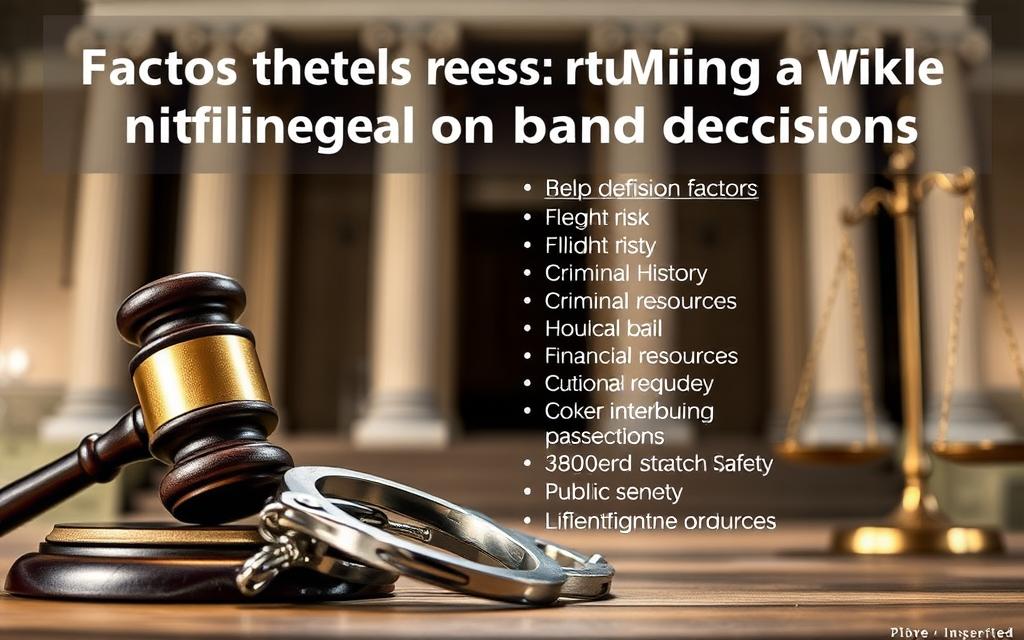
Factors Influencing Bail and Bond Decisions
Economic realities heavily influence pathways through the bail system. Decisions hinge on immediate financial capacity and long-term risk management. Courts and agencies weigh multiple variables when determining release terms.
Financial Capacity and Payment Structures
Available funds often dictate choices between upfront payments and third-party services. Those with savings might prefer cash options to secure refunds. Others rely on agency agreements to avoid liquidating assets.
Key financial comparisons include:
| Factor | Cash Advantage | Third-Party Advantage |
|---|---|---|
| Upfront Cost | Full refund potential | 10% non-refundable fee |
| Payment Plans | None available | Flexible installments |
| Collateral | Not required | Secures agreement |
| Risk Level | Lose full amount | Lose fee + assets |
Case complexity impacts choices. Multiple charges often mean higher bail amounts, pushing defendants toward agency solutions. Courts evaluate factors considered by judges like employment status and community ties.
Financial status determines feasible options. Limited savings force reliance on payment plans. Collateral requirements vary by agency—some accept vehicles, others demand real estate.
Agents assess risk differently than courts. They prioritize repayment ability over public safety. This creates scenarios where financially stable defendants secure better terms despite serious charges.
Implications and Consequences for Defendants
Navigating pretrial release involves more than temporary freedom—it binds individuals to strict legal and financial commitments. Violating these terms triggers immediate repercussions that extend far beyond initial arrest charges.
Legal and Financial Risks
Released defendants must meet three core obligations:
- Attend all court hearings
- Follow travel restrictions
- Submit to scheduled check-ins
Failure to comply risks losing fees and collateral. Courts retain full amounts for cash agreements, while agencies seize property like homes or vehicles. A bench warrant automatically activates if hearings are missed.
| Violation Type | Financial Loss | Legal Action |
|---|---|---|
| Missed Hearing | Forfeited fees + collateral | Rearrest warrant |
| Travel Ban Breach | Partial collateral seizure | Contempt charges |
| Repeat Offenses | Full bond liability | Enhanced penalties |
In one Texas case, a defendant lost $15,000 in vehicle equity after skipping a theft trial. Courts rarely reverse forfeitures unless emergencies are proven within 30 days.
Both parties—defendants and co-signers—face credit damage from unpaid bonds. Future cash agreements become inaccessible without settling prior defaults. Agencies often pursue wage garnishments to recover losses.
Understanding these risks helps prevent irreversible financial harm. Legal counsel remains critical for navigating complex compliance requirements and protecting assets.
Conclusion
Making informed choices about bail can prevent long-term consequences. Cash bonds demand full payment upfront but offer refund potential if obligations are met. Surety bonds provide accessible alternatives through licensed professionals, requiring only 10% fees plus collateral.
Courts determine total bail amounts based on case severity and flight risks. Bond agents then bridge financial gaps while monitoring compliance. Both options enforce strict conditions like mandatory hearings and travel limits.
Financial risks differ significantly. Cash payments risk losing the entire amount if terms are violated. Third-party agreements forfeit fees and pledged assets upon non-compliance. Timely court appearances remain critical for securing defendant release and minimizing losses.
Consult experienced professionals like D&D Bail Bonds when navigating these decisions. Their expertise helps balance immediate freedom with legal responsibilities. Always review payment structures and collateral requirements before signing any agreements.
For personalized guidance, contact local bail specialists or legal advisors. Understanding these systems protects both financial stability and constitutional rights during complex legal processes.




+ There are no comments
Add yours